

Institute of Academic Surgery
Operative Anatomy & Dissection Course 2027
15 - 17 January 2027
Presented by:
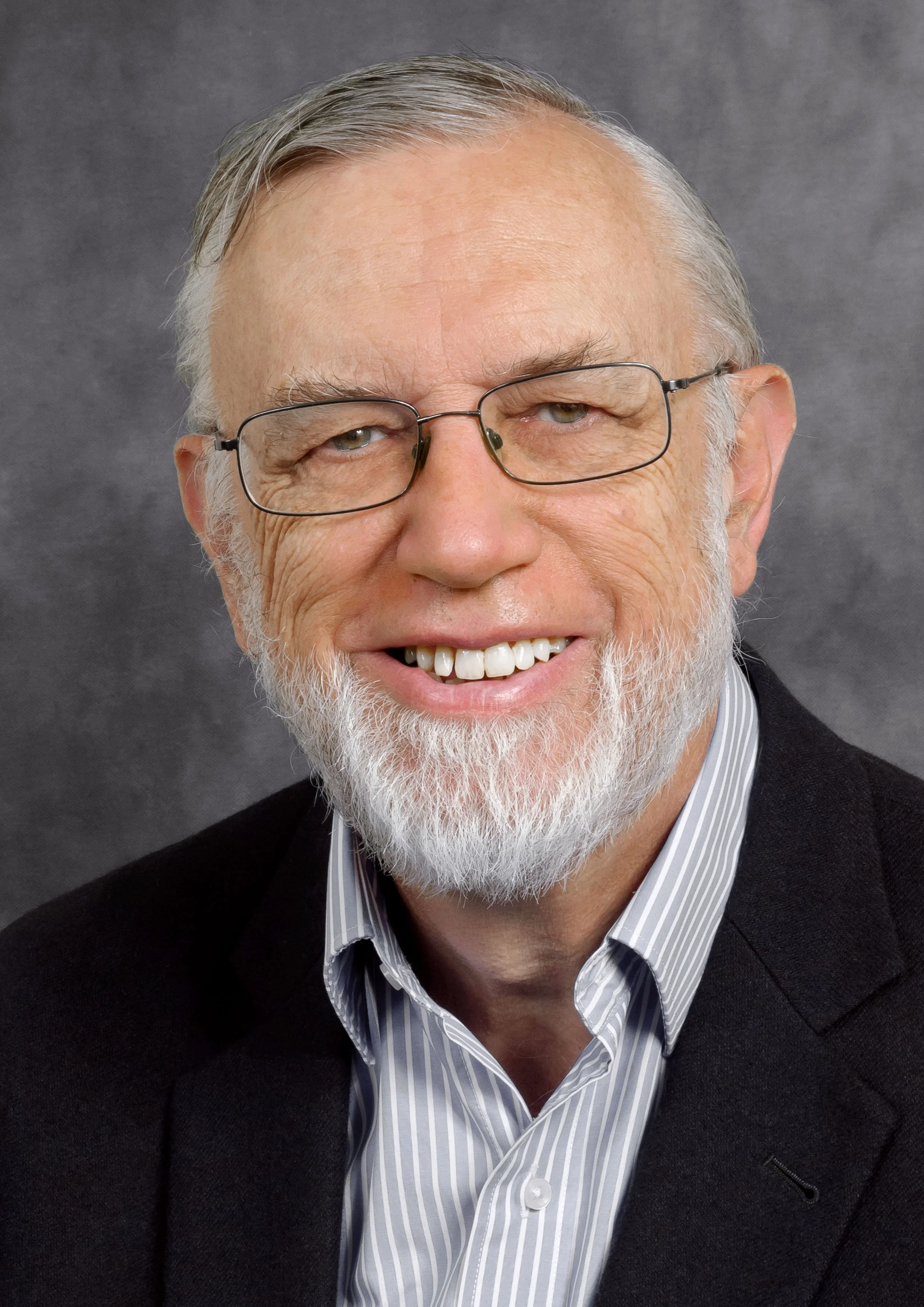
Prof. David Storey
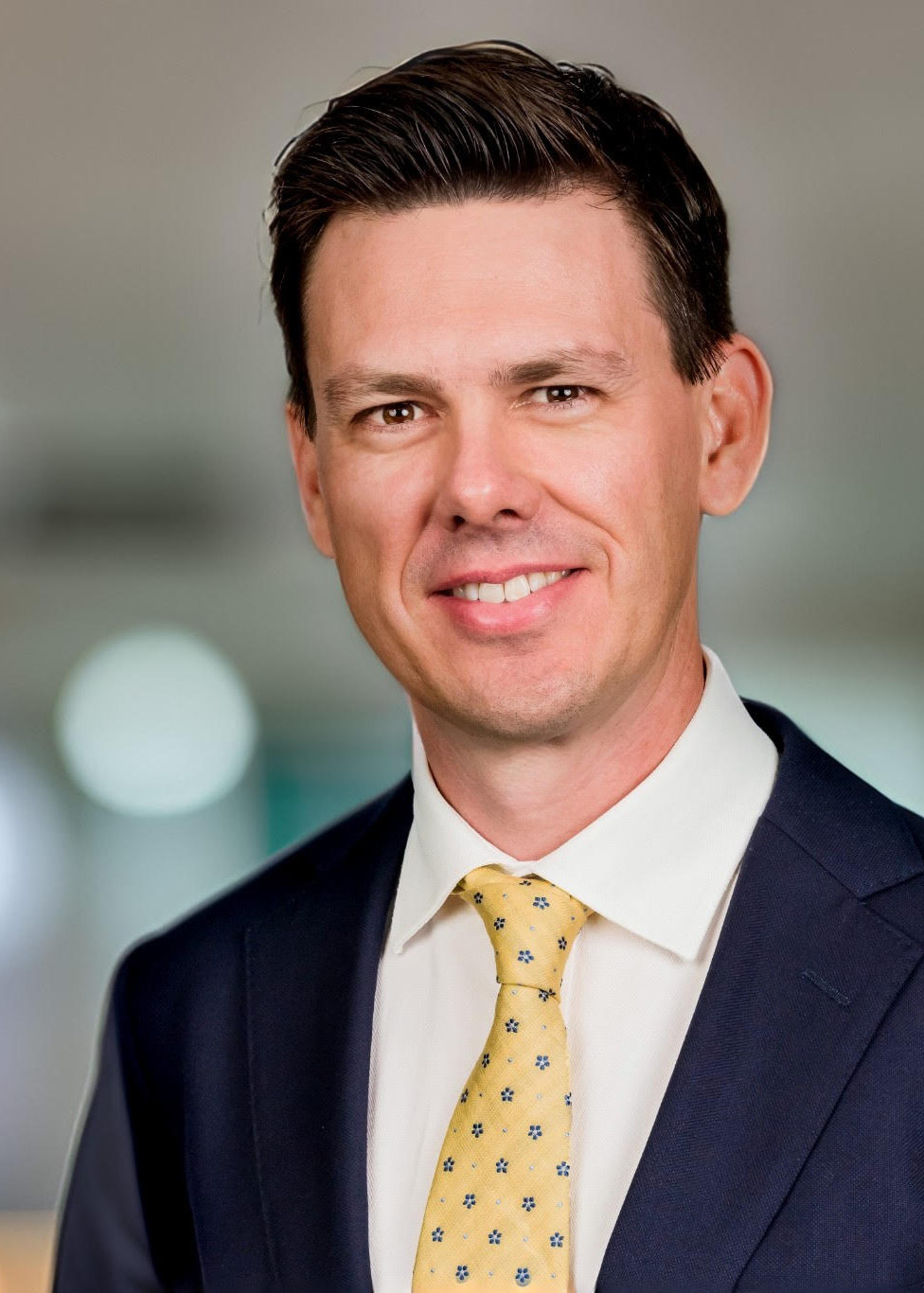
Dr David Coker
A/Prof. Jonathan Hong
About our Course
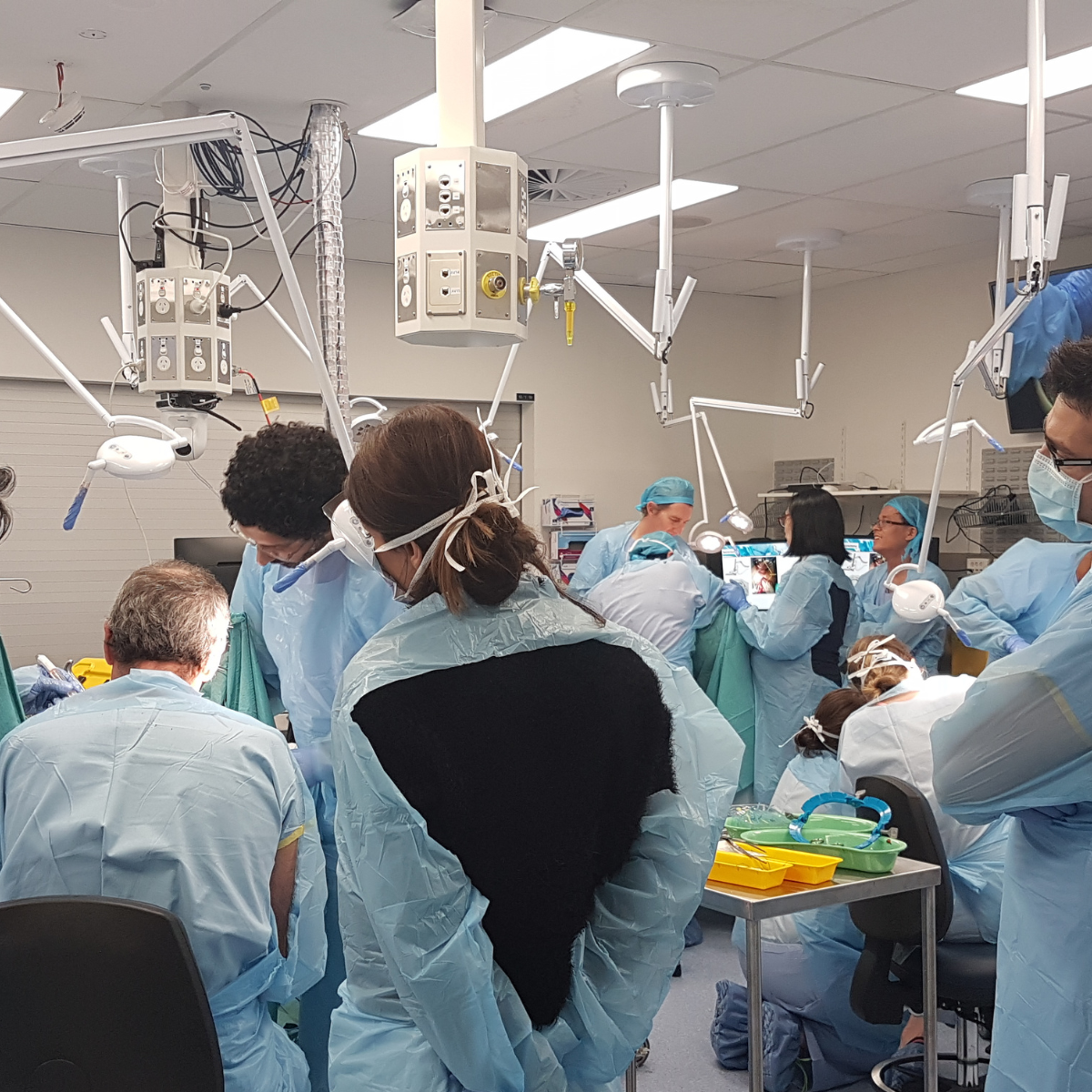
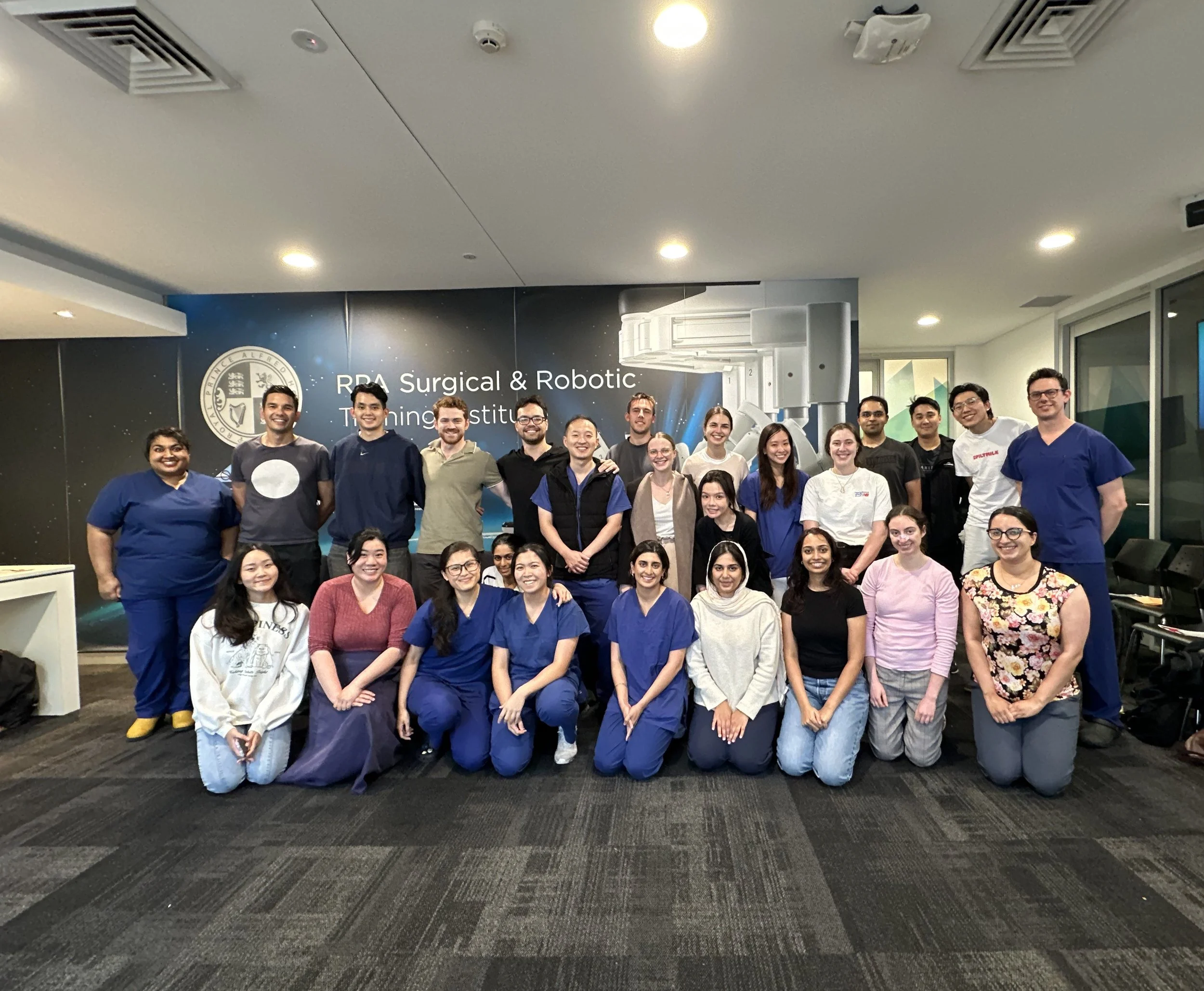
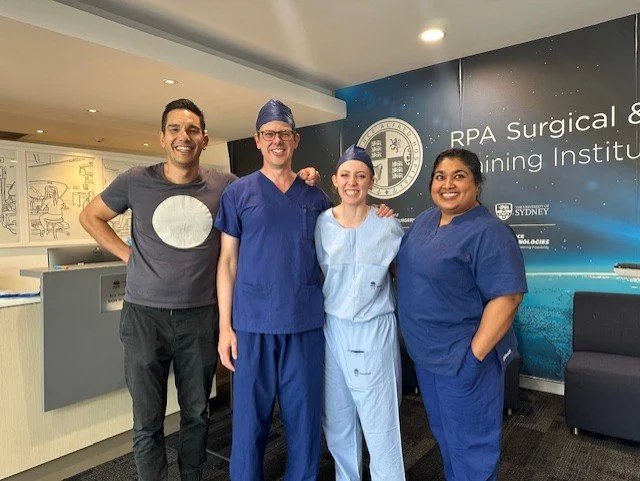
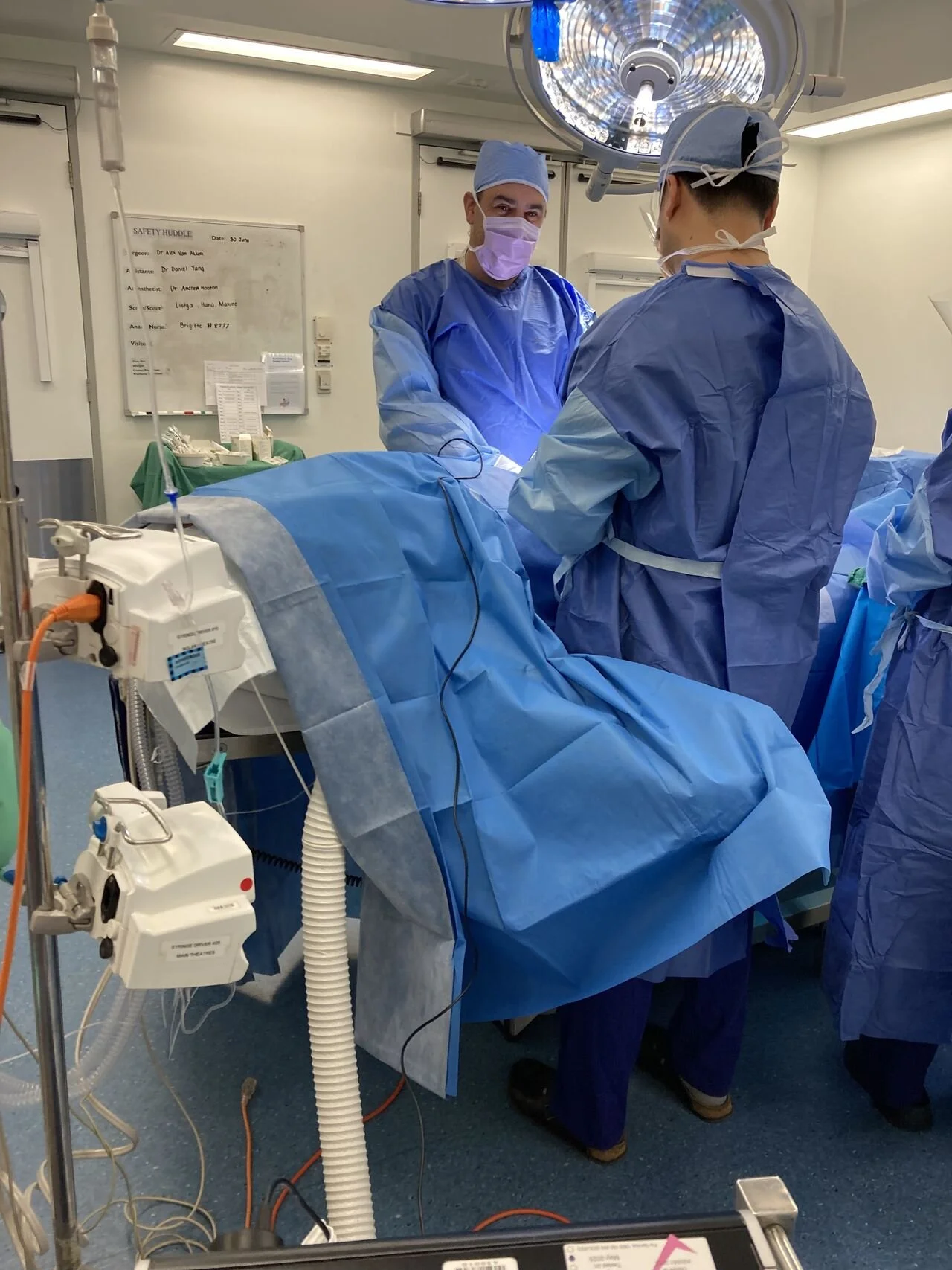
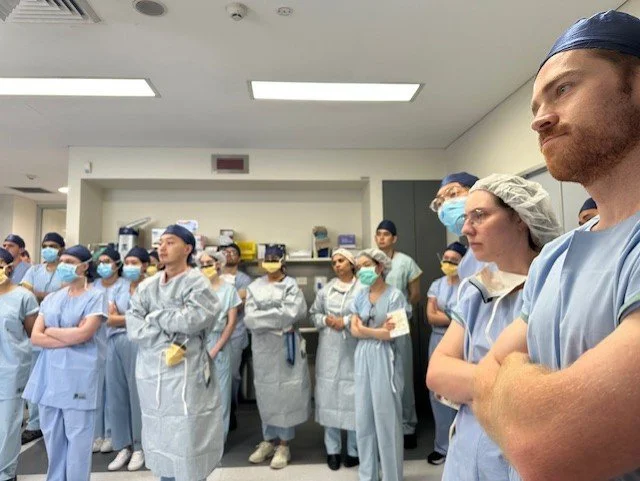
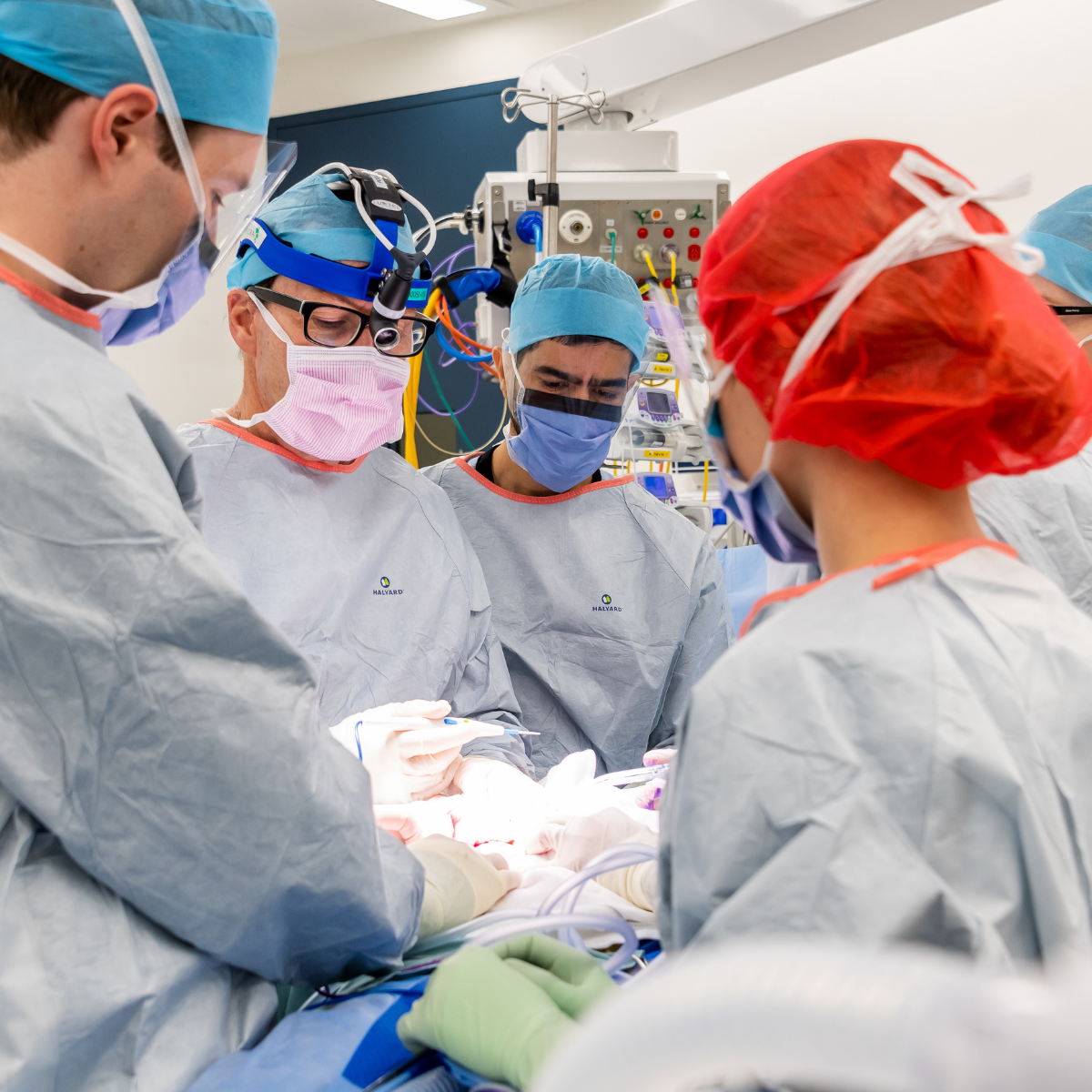
This course will feature live demonstrations and guided participant dissections. Instruction will be led by experienced RPA surgical consultants representing a broad range of specialties, including upper gastrointestinal, colorectal, urology and head and neck surgery.
-
Includes:
Full 3-day program and pre-reading material
Morning tea, lunch, afternoon tea, coffee, tea, soft drink
Certificate of completion
-
All submissions will be reviewed by the IAS Surgical Panel. Successful applicants will be notified by the end of October.
Places are limited
Register below to express your interest
Expressions of interest close 16 October 2026 (AEST)
The Program
The January 2027 program will be released at the end of 2026.
In the meantime have a look at our program from our previous course:
January 2026 course program:
-
Axilla
Iinguinal & Femoral
Abdominal wall & the Extraperitoneal Space
Thoracic trauma
-
Abdominal Part 1.
Abdominal Part 2.
Abdominal Part 3.
Abdominal Part 4.
Combined Review
-
Retroperitoneum
Abdominal Wall
Head & Neck Part 1
Head & Neck Part 2
Meet our Organisers
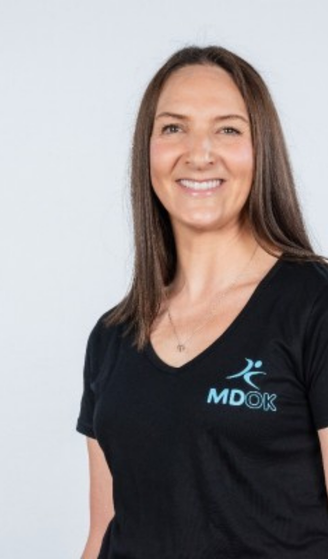
Prof. David Storey
Dr David Coker
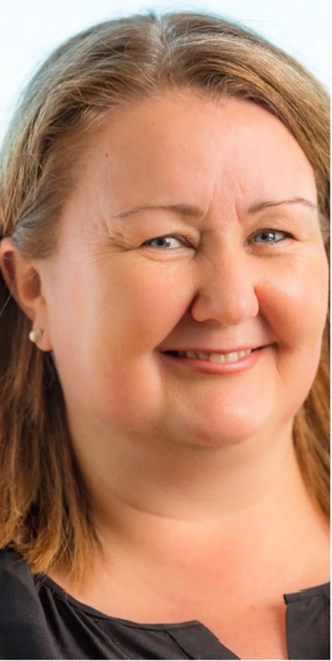
Kimberley Schoonens
A/Prof. Jonathan Hong
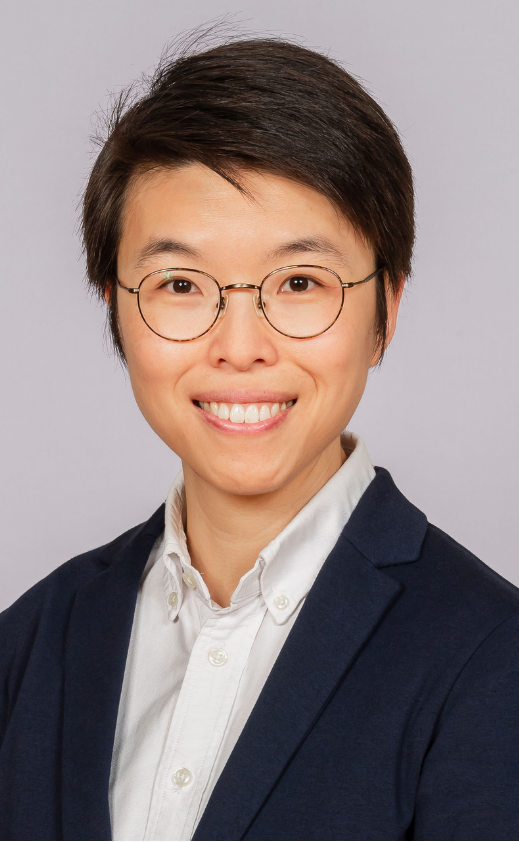
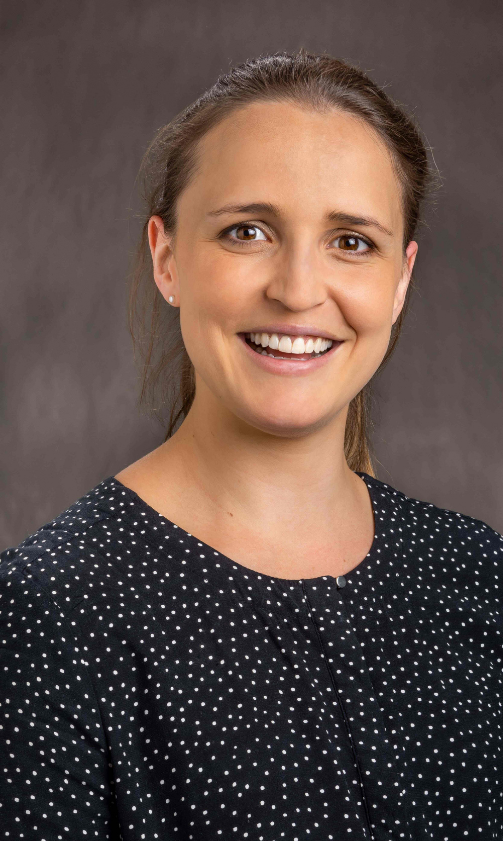
Shane Crombie
Rosa Fung
Charlotte McLennan
Meet our Instructors
More Instructors to come soon!
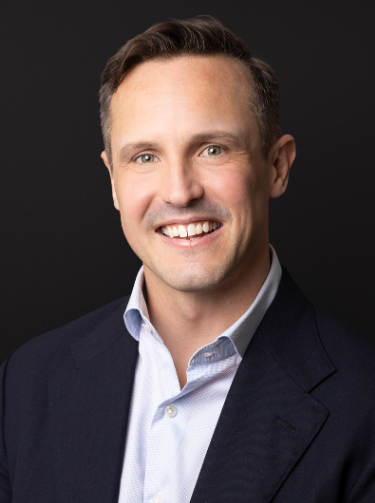
-
Dr Nathan Creber is an Ear, Nose and Throat (ENT) Surgeon specialising in adult and paediatric otology, hearing implants and skull base surgery. He is a Fellow of the Royal Australasian College of Surgeons and holds a PhD in cochlear implant surgery and hearing preservation.
Dr Creber has undertaken advanced international fellowship training in otology and hearing implant surgery, as well as skull base surgery, at Cambridge in the UK. He maintains an active research career through the Institute of Academic Surgery at RPA and the University of Sydney, with research interests spanning hearing preservation, cochlear implantation, inner ear disorders and hearing regeneration.
He is also actively involved in surgical education and research, and was awarded an Academic Surgeon Scientist Fellowship supporting his clinical and research work in hearing implants and skull base surgery.
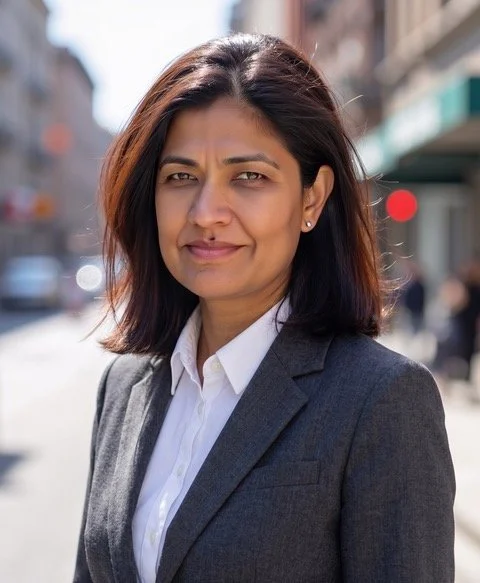
-
Dr Deepali Poels is a Sydney-based breast and general surgeon and a full member of BreastSurgANZ. She practises breast surgery at Chris O'Brien Lifehouse, Westmead Private Hospital and is a Staff Specialist in Acute Surgery and Trauma at Liverpool Hospital.
She completed subspecialty breast surgery fellowships at Chris O'Brien Lifehouse, Westmead Hospital and Eastern Health (Melbourne). Her clinical focus is the surgical and multidisciplinary management of benign and malignant breast disease, including oncoplastic techniques that balance oncological and aesthetic outcomes.
Dr Poels is committed to surgical education. She regularly supervises and mentors registrars and trainees in high-acuity acute and trauma settings, with an emphasis on applied operative anatomy, hands-on technical skills, sound decision-making and structured feedback
Her recent publications include work on surgeon-performed vacuum-assisted breast biopsy (World J Surg, 2025) and indocyanine green fluorescence-guided axillary surgery (ANZ J Surg, 2025).
-
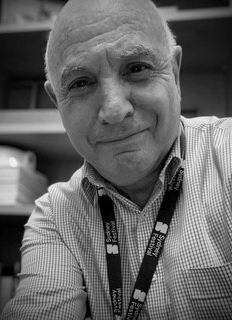
Dr David Eisinger completed Urological training as the Gordon Craig Fellow at RPA (1986). He has spent much of his career in private practice and at RPA but since 2019 he has worked as a full time Staff Specialist in Urology at RPA and has been Head of Department. His major interests are Urological oncology, pelvic and abdominal anatomy in which he has taught at Sydney University, and complex urinary tract problems including fistula and pelvic exenteration.
-
Dr. Matthew Oliver is an Emergency Physician and Co-Director of Trauma at Royal Prince Alfred Hospital in Sydney. He also serves as a Senior Clinical Lecturer in Emergency Medicine at the University of Sydney.
Originally from the United Kingdom, Dr. Oliver completed a trauma research fellowship at Los Angeles General Hospital before relocating to Australia to complete his specialist training in Emergency Medicine. He holds a master’s degree in Trauma Science and maintains active clinical and academic interests in Critical Care and Resuscitation Medicine, having authored numerous peer-reviewed publications in these areas.
-
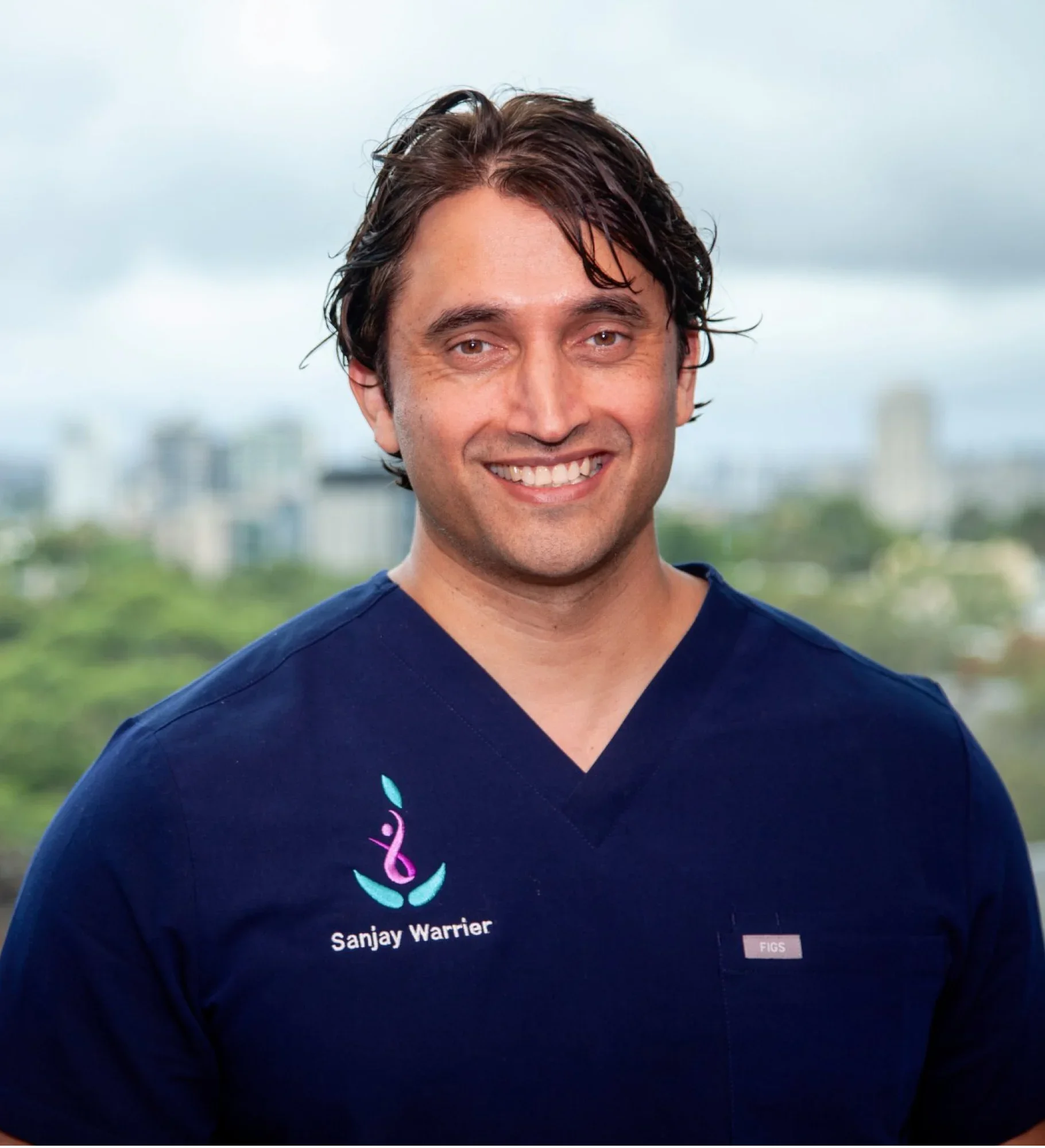
A/Prof Sanjay Warrier is a highly respected Consultant Breast Surgeon and Associate Professor at the University of Sydney, with a strong commitment to breast cancer research, surgical education and innovation. He is a Council member and Co-Chair of Post-Fellowship Training for BreastSurgANZ and has played a key role in developing the next generation of breast surgeons, including co-founding the University of Sydney’s Master of Advanced Surgery (Breast Surgery). He is also an active researcher, with his work presented at major international conferences including the San Antonio Breast Cancer Symposium and ASCO.
Sanjay is recognised for his pioneering work in minimally invasive and innovative breast surgery. He was the first surgeon in Australia to use SPY technology for breast reconstruction and the first surgeon in the Southern Hemisphere to perform robotic breast surgery. His current work includes endoscopic and robotic nipple-sparing mastectomy, advanced breast-conserving techniques and the use of 3D printing for breast assessment and surgical planning. Through his clinical, research and educational work, Sanjay continues to contribute to the advancement of breast cancer surgery in Australia and internationally.
-
Dr Sasha Khoma is an Upper GI and General Surgeon at Royal Prince Alfred Hospital, specialising in oesophageal and gastric surgery, reflux, hiatus hernias and complex general surgery. With advanced training and fellowships in Australia, the UK and the Netherlands, he has expertise in minimally invasive and robotic surgical techniques.
He holds a PhD in upper GI surgery and is actively involved in research, education and multidisciplinary cancer care. Dr Khoma provides evidence-based, personalised treatment, prioritising the most appropriate approach for each patient.
-
A/Prof Jonathan Hong
Associate Professor Jonathan Hong is a Colorectal Surgeon who has a strong commitment to the continuous improvement of training and standards in surgery. He has been an enthusiastic teacher of medical students, trainee surgeons and colleagues throughout his career. He is particularly interested in assessment of technical and non-technical skills within a competence based surgical education framework. He is a member of the American Society of Colon and Rectal Surgeons (ASCRS) Fundamentals of Rectal Cancer assessment subcommittee.
Associate Professor Hong has undertaken extensive training in both Colorectal and General surgery, predominantly at Royal Prince Alfred Hospital. He also has international experience having spent 2 years completing the Colorectal Surgical Fellowship at Mount Sinai Hospital and the University of Toronto, Canada, as well as a visiting Scholar at The Wilson Center for Medical Education at Toronto General Hospital.
In addition to being the Deputy Director of Surgical Education at the IAS, Jonathan undertook a Masters of Philosophy in 2016 exploring the use of MRI to personalise the surgical approach to rectal cancer treatment, as well as a Masters of Surgical Education
-
Description text goes here
-
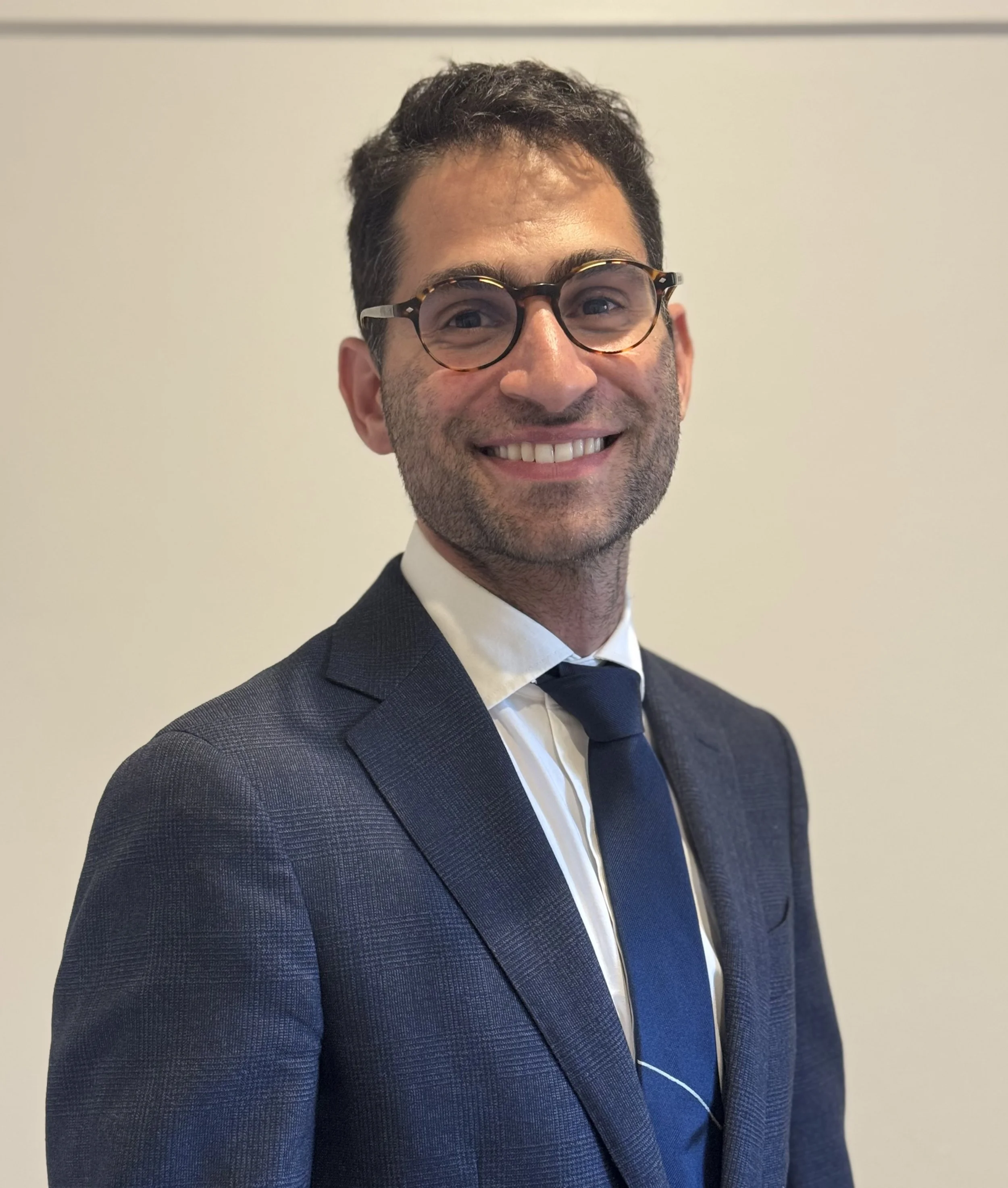
Dr Amer Amin is an Australian-trained urologist and Fellow of the Royal Australasian College of Surgeons (FRACS), having completed specialist urological training in early 2026. His clinical practice focuses on complex urological surgery, including renal, retroperitoneal and pelvic procedures. He has a strong commitment to surgical education and is actively involved in teaching medical students and surgical trainees. During his urology training, Dr Amin was awarded the Frank Gardiner prize for the highest mark in the Urology Surgical Sciences Examination. In 2027, he will undertake advanced robotic fellowship training in the United Kingdom. His interest in surgical anatomy reflects its fundamental role in safe, precise and effective operative practice.
-
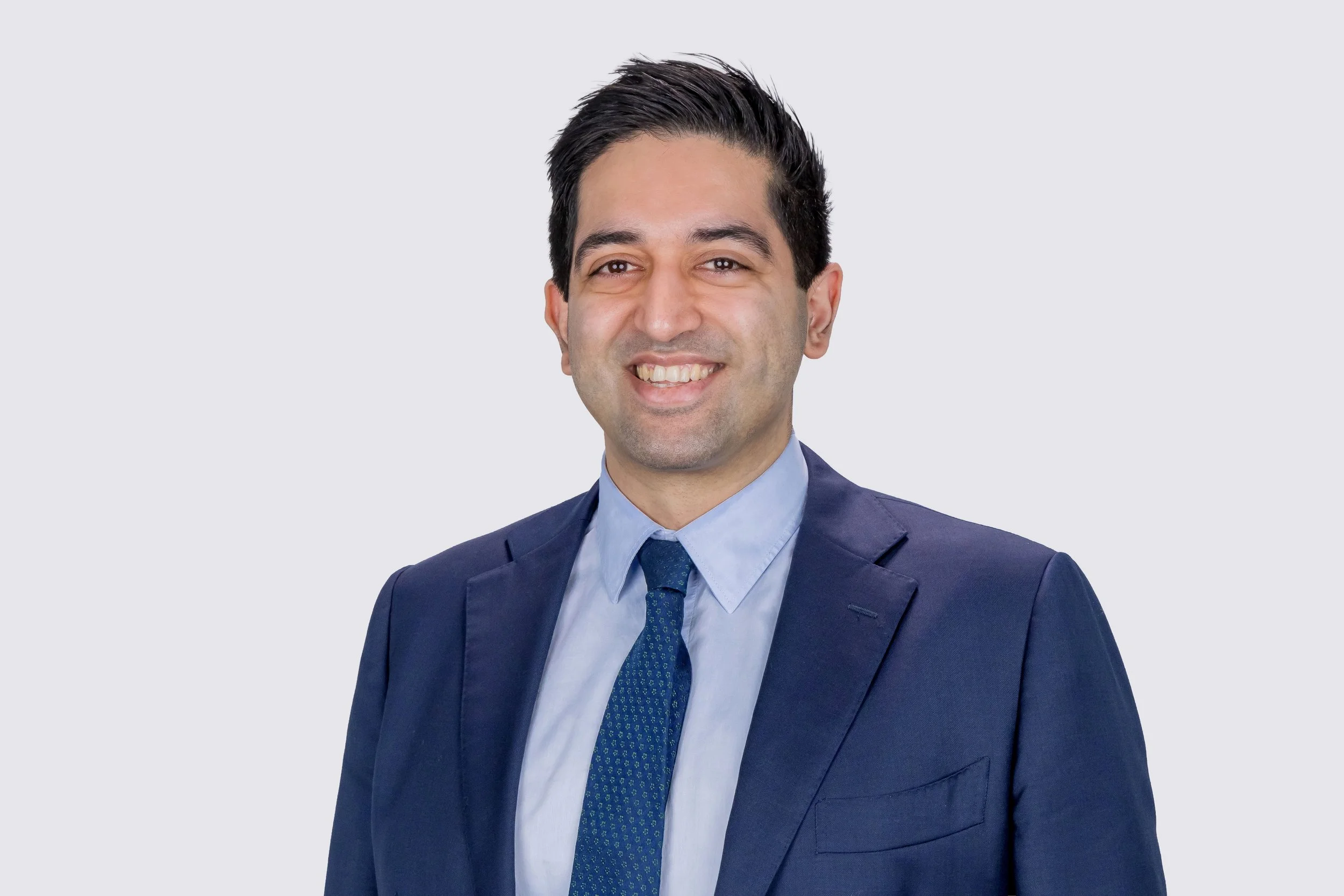
Dr Arsalan Bakhtiar is a General Surgeon with subspecialty training in Upper GI Surgery and Abdominal Transplantation. He has a strong interest in surgical education, particularly regional anatomy teaching through cadaveric dissection. He is a PhD candidate at the University of Sydney, conducting clinical and laboratory-based research in Liver Transplantation at RPA’s Centre of Organ Assessment, Repair and Optimisation (COARO)
-
David Storey - Adjunct Director of Surgical Skills Laboratory
Associate Professor David Storey lives and breathes surgical education. The considerable experience and knowledge that he brings to the role of inaugural Director of Surgical Education is a significant asset to the IAS, and the overall advancement of surgical education.
Having been a Hepatobiliary and Upper Gastrointestinal Surgeon at RPA for many years, Associate Professor David Storey is currently the Director of Training for the Sydney South West Surgical Skills Network and a Clinical Advisor to the NSW Clinical Excellence Commission relating to surgical supervision. He has also held numerous positions within the Royal College of Surgeons.
Through the establishment of the Surgical Skills Facility on Level 9 at RPA, Associate Professor David Storey has provided guidance and mentoring to countless budding surgical trainees and the opportunity for ongoing surgical skills training onsite at the hospital. Under his leadership, this facility will be greatly enhanced with the drive to establish new training facilities at RPA
-
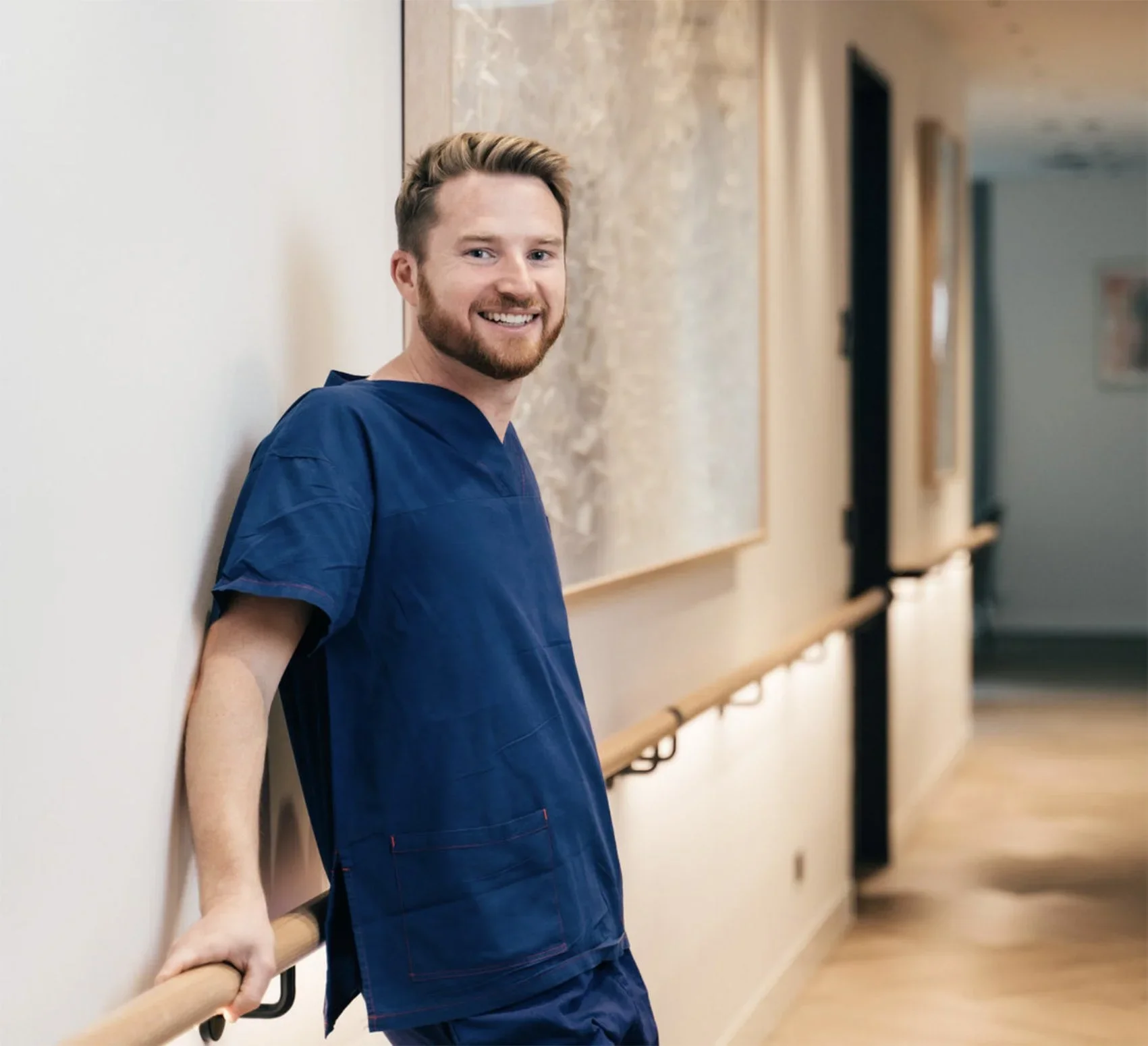
Dr Sandroussi is a highly trained hepatopancreatobiliary, upper gastrointestinal and transplant surgeon whose education and research underpin his clinical leadership. After graduating with honours from the University of Sydney, he completed General Surgical training at Royal Prince Alfred Hospital and earned a Master of Medical Science from the University of Newcastle. He then undertook four years of advanced subspecialty training in Australia and Toronto, gaining prestigious accreditations from the American Society of Transplant Surgeons and the American Hepato-Pancreatico-Biliary Association.
His research focuses on vascular resection and reconstruction in liver and pancreas surgery, evidence-based surgical practice, neoadjuvant therapy, frailty in cancer surgery, and live-donor liver transplantation. He serves as Co-Director of SOuRCe and Director of Clinical Research at the RPA Institute of Academic Surgery, supervises higher-degree students, and teaches widely through the University of Sydney and the Royal Australasian College of Surgeons, contributing extensively to academic work in liver transplantation and HPB surgery.
-
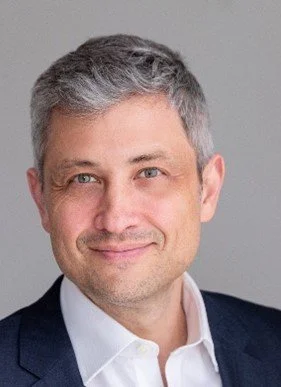
Dr Tim Manzie is a qualified Oral and Maxillofacial Surgeon with subspecialty expertise in Head and Neck Surgery. With more than 18 years of training and experience across Australia, he holds degrees in both Dentistry and Medicine and has worked in Queensland, Western Australia, the ACT and New South Wales.
Tim was awarded the Robert M Cook Medal for the highest mark in the Oral and Maxillofacial Surgery Examination. He subsequently completed Fellowship training in Canberra and Sydney, specialising in the surgical management of head and neck tumours and complex reconstruction.
-
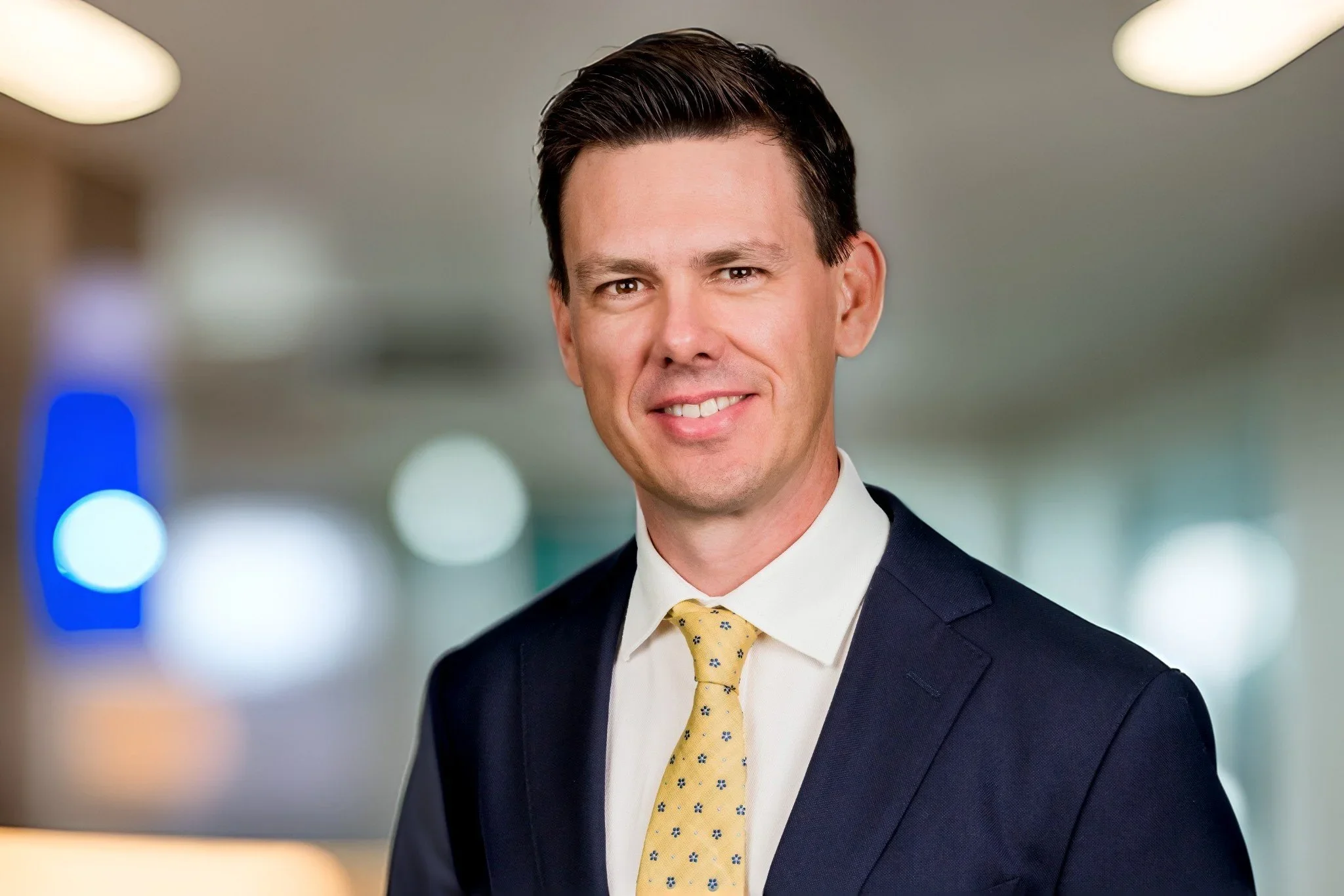
Associate Professor Daniel Novakovic is an ENT and head and neck surgeon who leads the ENT Department at Canterbury Hospital. He specialises in laryngeal and airway surgery, voice disorders and benign and malignant throat conditions.
A University of Sydney graduate, he completed specialist training in 2007 before undertaking fellowships in head and neck oncology in Toronto and laryngology in New York. He is an active researcher, published author and regular speaker at national and international conferences.
-
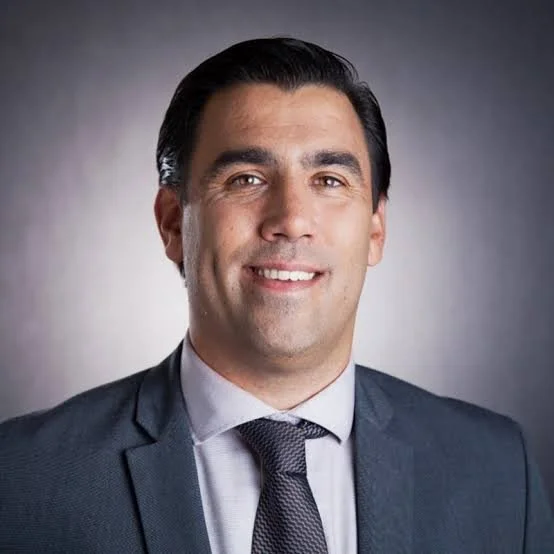
BSc/LLB (Hon I); MBBS; MSurgicalEd; FRACS
Dr Coker is a surgical oncologist at Royal Prince Alfred Hospital (RPA), specialising in the management of sarcoma of the retroperitoneum, abdomen, pelvis, and extremities as well as melanoma, advanced cutaneous malignancies and rare tumours. He has undertaken fellowships at world renowned surgical oncology centres including Melanoma Institute Australia (Sydney) and The Royal Marsden Hospital (London). Dr Coker is passionate about teaching and education, and to further his expertise he completed a Masters of Surgical Education through the University of Melbourne in 2021. He is the current Director of Surgical Education at the Institute of Academic Surgery.
-
Description text goes here
-
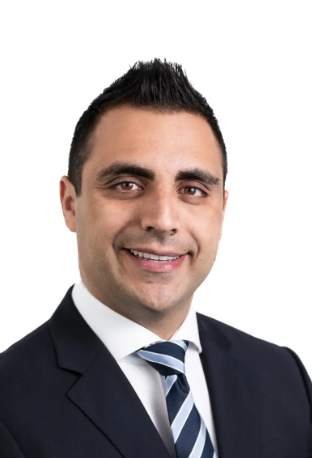
Dr Leba Michael Sarkis is a dual fellowship-trained Head and Neck and Microvascular Reconstructive Surgeon. He completed both Dentistry and Medicine at the University of Sydney before undertaking specialist training in Otolaryngology, Head and Neck Surgery, and completing a Master of Surgery in Head and Neck Surgery.
Dr Sarkis completed advanced fellowship training in Head and Neck Surgical Oncology and Microvascular Reconstruction at Chris O’Brien Lifehouse and the University of Toronto. His clinical expertise spans complex head and neck oncology, skull base, thyroid and parathyroid, robotic surgery and microvascular reconstruction.
With a background in both dentistry and medicine, Dr Sarkis brings a unique multidisciplinary perspective to head and neck cancer care and reconstruction. He is actively involved in research and surgical education and is a Senior Clinical Lecturer at the University of Sydney.
-
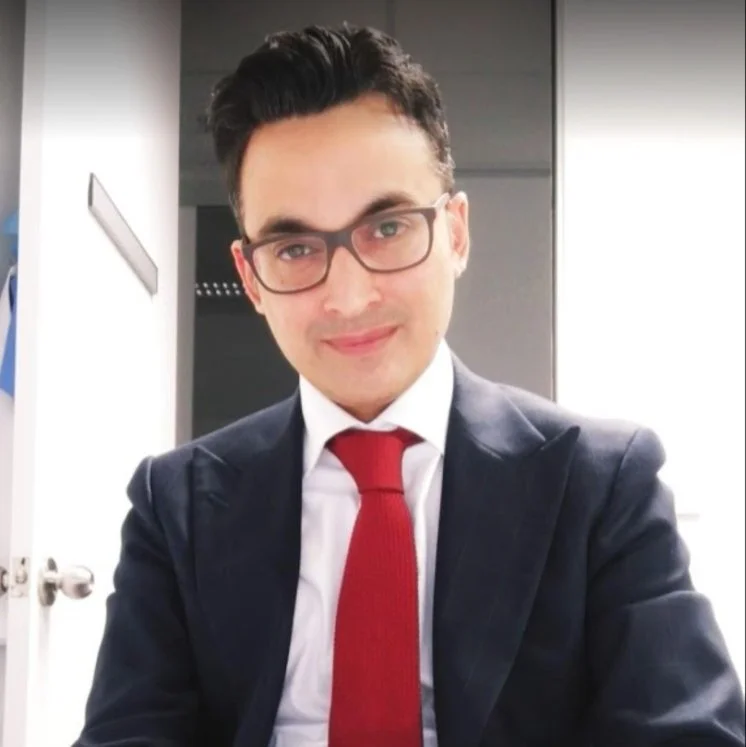
Faruque is a Consultant ENT and Head and Neck Surgeon at Westmead Hospital, with expertise in adult and paediatric ENT, head and neck oncology, thyroid and parathyroid surgery, and open and endoscopic airway procedures. He also leads the Westmead Tracheostomy Liaison Service and previously worked as a consultant at Cambridge University Hospitals in the UK.
A graduate of UNSW, Faruque completed his specialist training in Australia before undertaking international fellowships in London and Cambridge, focusing on airway, oncological and thyroid surgery. He has also contributed to surgical education through convening specialist dissection courses, masterclasses and international scientific meetings.
Exposure that you could see during the sessions (much better than during assisting).
Being able to appreciate the anatomy encountered during the operations.
Most valuable part was to identify the anomaly or unique anatomy that differs between cadavers. It was nice to compare the anatomy between cadavers . Recognising its not all the same as on textbooks.
Learning operative techniques and having the tutors allowing us to do it by ourselves.
The instructor involvement was amazing as was the overall atmosphere of education and knowledge sharing.
Exposure that you could see during the sessions (much better than during assisting). Being able to appreciate the anatomy encountered during the operations. Most valuable part was to identify the anomaly or unique anatomy that differs between cadavers. It was nice to compare the anatomy between cadavers . Recognising its not all the same as on textbooks. Learning operative techniques and having the tutors allowing us to do it by ourselves. The instructor involvement was amazing as was the overall atmosphere of education and knowledge sharing.
Contact us:


SLHD-RPAIAS@health.nsw.gov.au
slhd.nsw.gov.au/rpa/ias

RPA Institute of Academic Surgery